Bus transfers from Calgary International Airport to Banff, Canmore, Lake Louise and Jasper hotels. Convenient for travelers to reach the Canadian Rockies directly from the Calgary airport.
Banff is Canada's most visited National Park. Banff's towering peaks and beautiful meadows make it among Canada's most incredible holiday areas. Book Banff National Park's Popular Activities and Attractions.
Bus connections between Banff and Jasper after arriving at Calgary Airport.
Bus Connections to Banff and Jasper after arriving at Calgary Airport
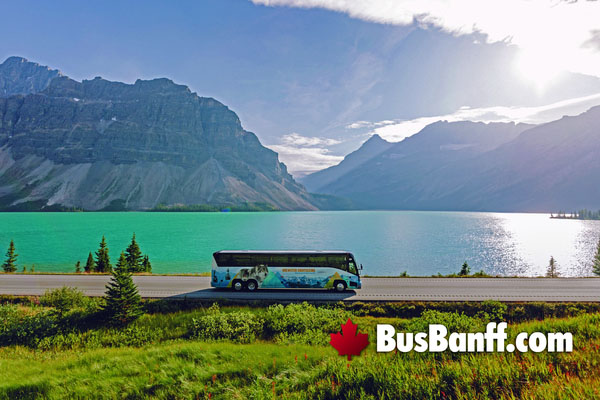
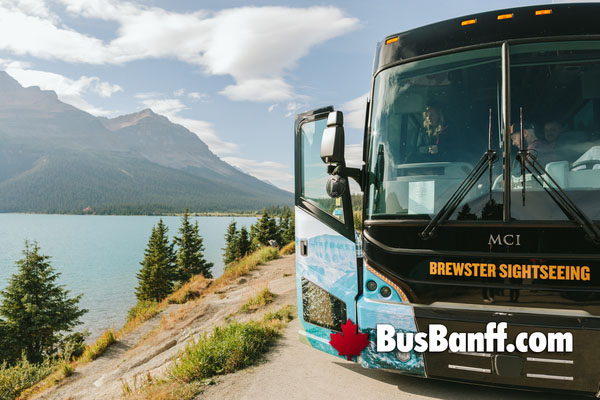
Experience the best way to travel to, from and throughout the Canadian Rockies. Bus to Banff via a variety of bus tours that cater to different interests, from sightseeing and wildlife spotting to exploring the stunning landscapes of the Canadian Rockies. Bus Banff conveniently and budget-friendly year-round, between Calgary, Canmore, and Banff. Ideal for travelers who want a direct, no-fuss way to reach Banff, Jasper and the Canadian Rockies without needing a car.
Choose a Bus to Depart from:
Banff
Calgary
Canmore
Columbia Icefield
Jasper
Lake Louise
Saskatchewan River Crossing
Stoney Nakoda Resort
Sunwapta Falls
Choose a Bus to Go to:
Banff
Calgary
Canmore
Columbia Icefield
Jasper
Lake Louise
Saskatchewan River Crossing
Stoney Nakoda Resort
Sunwapta Falls
Booking Banff Bus includes All taxes, fees and handling charges.
Calgary Airport Bus to Banff and Jasper
Calgary Airport (YYC) bus services to Banff and Jasper, for travelers touring the Canadian Rockies
Calgary Airport Bus to Banff and Jasper
The Calgary Airport (YYC) offers several bus services to Banff and Jasper, making it convenient for travelers to reach the Canadian Rockies directly from the airport.
Banff has several year-round bus routes that provide convenient public transportation for both locals and visitors. These routes connect key areas within Banff, as well as to surrounding regions like Canmore, Lake Louise, Jasper.
Book Calgary Airport Bus to Banff and Jasper
Bus Bookings include All taxes, fees and handling charges.
Banff and Canadian Rockies Bus Tours
Banff offers a variety of bus tours that cater to different interests, from sightseeing and wildlife spotting to exploring the stunning landscapes of All the Canadian Rockies.
Banff and Canadian Rockies Bus Tours
Visits Banff's top sights by Bus, like Bow Falls, Hoodoos, and Surprise Corner, with opportunities to see local wildlife (elk, deer, and more).
Visit two of Banff National Park's most famous lakes by Bus - Lake Louise and Moraine Lake, with stunning views of glaciers and towering peaks.
Explore Banff's winter beauty by Bus, including frozen waterfalls, icefields, and potential wildlife sightings.
Visit key attractions by Bus, like the Banff Gondola, Bow Falls, Lake Minnewanka, and Surprise Corner.
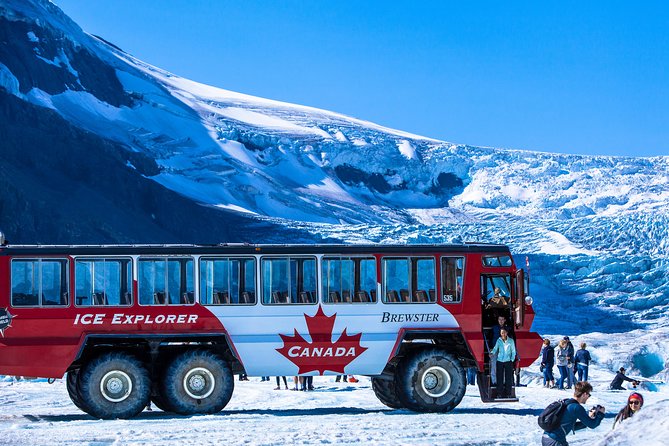
Travel along the Icefields Parkway by bus, stopping at Peyto Lake, Bow Lake, and the Columbia Icefield. Includes a ride on the Ice Explorer onto the Athabasca Glacier and access to the Glacier Skywalk.
Visit Lake Louise, Emerald Lake, Takakkaw Falls, and Natural Bridge in Yoho National Park.
Book Banff and Canadian Rockies Bus Tours
Booking Canadian Rockies Bus Tours includes All taxes, fees and handling charges.
Banff to Jasper Bus Tour
Travel the scenic Icefields Parkway by bus, stopping at major attractions like the Columbia Icefield, Athabasca Falls, and Bow Lake.
Banff to Jasper Bus Tour
Includes Bus Pickup from Banff hotels, guide, and sightseeing stops.
Travel the scenic Icefields Parkway, stopping at major attractions like the Columbia Icefield, Athabasca Falls, and Bow Lake.
Booking Banff to Jasper Bus Tour includes All taxes, fees and handling charges.
Wildlife in Banff
Banff protects an enormous interconnected mountain ecosystem rather than isolated pockets of habitat. Animals can move between river valleys, forests, alpine meadows, mountain passes and neighbouring protected areas. That combination of protected wilderness and relatively accessible valleys gives visitors opportunities to experience some of the Canadian Rockies' most characteristic wildlife while still seeing the animals in a genuinely wild mountain landscape.
Wildlife You might Encounter in Banff
Wildlife in Banff
Banff National Park supports an extraordinary variety of Rocky Mountain wildlife. Its combination of broad valleys, coniferous forests, alpine meadows, wetlands, rivers, lakes and rugged mountain terrain creates habitat for large mammals, predators, smaller mammals and hundreds of bird species. Wildlife can be encountered throughout the park, although sightings are never guaranteed.
Elk
Elk are among the most commonly seen large mammals in Banff. They frequently use valley bottoms, open meadows and forest edges and can sometimes be encountered around the Banff townsite and Bow Valley. During the autumn rut, bull elk become particularly vocal and territorial, with their distinctive bugling carrying across the valleys.
Bighorn Sheep
Bighorn sheep are another signature Banff species. They favour rocky slopes, cliffs and relatively dry mountain terrain. The Lake Minnewanka area and slopes around Mount Norquay are particularly well known for occasional sheep sightings. Large mature rams are recognizable by their impressive curled horns.
Grizzly Bears
Grizzly bears inhabit large portions of Banff National Park and require extensive areas of connected wilderness. During spring, they may move into lower elevations to feed on newly emerging vegetation. As summer progresses, bears travel through different elevations following seasonal food sources, including roots, insects and berries.
Black Bears
Black bears are found throughout many of Banff's forested valleys and mountain slopes. They can sometimes be observed around forest openings and roadside vegetation during spring and early summer. Despite their name, black bears can range considerably in colour, including black, brown, cinnamon and occasionally very light brown.
Wolves
Wolves are important predators within the Banff ecosystem. Packs travel enormous distances through valleys and mountain passes while hunting animals such as elk and deer. Although wolves inhabit the park, sightings are relatively uncommon because of their extensive territories and tendency to avoid heavily used areas.
Coyotes
Coyotes are considerably easier to encounter than wolves. They can be found in open meadows, forest edges and valley-bottom habitats throughout Banff. They primarily hunt small mammals but are highly adaptable and take advantage of many naturally available foods.
Cougars
Cougars inhabit Banff's forests, rocky terrain and mountain valleys. These powerful cats primarily prey upon deer and other mammals. They are extremely secretive, however, and most visitors will never see one despite their presence within the park.
Canada Lynx
Canada lynx inhabit forested areas of the Canadian Rockies but are exceptionally difficult to observe. Their large paws help them travel across deep snow, and snowshoe hares form an important part of their diet. Seeing a lynx in Banff would be a rare wildlife encounter.
Moose
Moose occur in Banff National Park but are less frequently encountered than elk. They favour wetlands, willow flats, lakeshores and other areas with abundant vegetation. Their large size can be deceptive because they can disappear remarkably quickly into dense forest.
Mule Deer
Mule deer are widespread through Banff's valleys, forests and open slopes. Their oversized ears and distinctive bounding movement make them relatively easy to distinguish. They are frequently most active around dawn and dusk.
White-Tailed Deer
White-tailed deer also inhabit portions of Banff National Park, particularly productive lower-elevation valleys. When alarmed, they characteristically raise their tails, revealing the bright white underside that gives the species its name.
Mountain Goats
Mountain goats occupy some of Banff's steepest mountain environments. Their powerful legs and specialized hooves allow them to travel across cliffs and rocky slopes that would be extremely difficult for most other large mammals. They are generally encountered less frequently than bighorn sheep.
Hoary Marmots
Hoary marmots are characteristic residents of rocky alpine and subalpine environments. Hikers are more likely to encounter them around talus slopes, boulder fields and alpine meadows. Their loud warning whistles are sometimes heard before the animals themselves are spotted.
Columbian Ground Squirrels
Columbian ground squirrels are common in grassy meadows and open areas during the warmer months. They spend much of their short active season feeding before returning underground for an exceptionally long winter hibernation.
American Pikas
Pikas inhabit cool rocky environments at higher elevations. These small relatives of rabbits collect grasses and alpine plants during summer, creating food caches that help sustain them through winter. Their distinctive calls can often be heard around rocky slopes.
Snowshoe Hares
Snowshoe hares inhabit Banff's forests and dense understory. Their coats change seasonally, generally becoming brown during summer and white during winter. They are an important prey species for lynx, coyotes and other predators.
Red Squirrels
Red squirrels are among Banff's most noticeable small forest mammals. They can frequently be heard chattering from coniferous trees and are particularly associated with forests where they collect and store cones.
Porcupines
North American porcupines occur within Banff but are not commonly seen. They are primarily nocturnal and spend considerable time feeding on vegetation, bark and other plant material. Their defensive quills provide protection against most predators.
Beavers
Beavers inhabit suitable ponds, wetlands and slower waterways throughout the Bow Valley and other parts of Banff. Their dams can dramatically modify local environments, creating wetlands that provide habitat for waterfowl, amphibians and numerous other species.
Birds of Prey
Banff's mountains and valleys support several impressive birds of prey. Bald eagles, golden eagles, ospreys and various hawks may be observed soaring above valleys, rivers and lakes. Golden eagles are particularly associated with mountainous terrain, while ospreys are closely connected with productive waterways.
Owls
Several owl species inhabit Banff's forests. Great horned owls and other species may occasionally be encountered, although their nocturnal behaviour and excellent camouflage make them considerably harder to find than daytime birds.
Ravens
Common ravens are widespread throughout Banff National Park. These highly intelligent birds can be encountered from valley bottoms to high mountain environments and are particularly recognizable by their large size, deep calls and acrobatic flight.
Canada Jays
Canada jays are familiar residents of Banff's coniferous forests. Unlike many migratory birds, they remain in the mountains throughout winter and have remarkable adaptations that allow them to survive extremely cold conditions.
Clark's Nutcrackers
Clark's nutcrackers are frequently associated with coniferous mountain forests. They collect and cache large quantities of seeds, inadvertently helping disperse and regenerate certain tree species throughout the Rockies.
Waterfowl
Banff's lakes, ponds, wetlands and rivers provide habitat for Canada geese, common mergansers and numerous species of ducks. Vermilion Lakes, the Bow River, Cascade Ponds and other wetland environments can be particularly interesting places for birdwatching.
Best Places to See Wildlife in Banff
The Bow Valley, Lake Minnewanka Scenic Drive, Vermilion Lakes, Bow Valley Parkway and quieter sections of the park can provide excellent wildlife-viewing opportunities. Forest edges, open meadows, wetlands and rocky slopes are particularly worthwhile habitats to scan. Some of the best encounters happen while travelling between attractions rather than at the attractions themselves.
Best Time to See Wildlife
Early morning and evening are generally the most productive periods because many animals become more active when temperatures are cooler and human activity is reduced. Spring can be particularly interesting as animals return to lower elevations, while autumn brings the elk rut and increased wildlife activity before winter.
Wildlife During Winter
Winter provides a very different wildlife experience. Elk, deer, bighorn sheep, coyotes, wolves and other animals continue using lower-elevation valleys, while bears hibernate and many smaller species reduce their activity. Snow can also make tracks easier to see, revealing the presence of animals that visitors might never actually encounter.
Wildlife Safety in Banff
Wild animals should always be observed from a substantial distance. Visitors should never feed, approach, surround or follow wildlife for photographs. Extra caution is necessary around bears, wolves, cougars, elk and moose. Hikers should understand current bear-safety practices and carry bear spray where appropriate, particularly when travelling into quieter trails and backcountry areas.
Why Banff Is Famous for Wildlife
Banff protects an enormous interconnected mountain ecosystem rather than isolated pockets of habitat. Animals can move between river valleys, forests, alpine meadows, mountain passes and neighbouring protected areas. That combination of protected wilderness and relatively accessible valleys gives visitors opportunities to experience some of the Canadian Rockies' most characteristic wildlife while still seeing the animals in a genuinely wild mountain landscape.
Our driver was amazing he was so friendly, told us lots about the history of the area. He said he would be happy to stop if we needed a comfort stop or visit a shop etc. He was so good we asked him if he would be available again for next year, we were more than happy with this service and highly recommend him.
The ability to easily see 6 lakes without hassle parking is well worth the price of admission- the tour guide was very informative and there was time to get in hiking along the way!
Shuttle service from Banff to Calgary
Vicki_P, Jul 2023
Driver was prompt picking us up and also kept in contact with us before. Great trip! Recommend it. It was nice learning a little bit about Canadian life along the way.
A wonderful experience. We were picked up at our hotel so that was easy. Rob was very informative and fun. We saw so many beautiful lakes including Lake Louise and Moraine, but also Peyto and many more. Rob pointed out the mountains and their names as well as the glaciers on the Icefields Parkway. It was a full day and one I will remember for a very long time. The small bus held 22 which was good size. We stopped and had 45 min. for lunch. I highly encourage you to take this excursion!
 Bus Banff










 Fantastic